Performance Marketing vs Digital Marketing: An In-Depth Guide for Businesses
Understanding Digital Marketing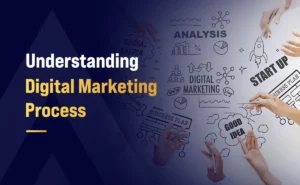
Core Elements of Digital Marketing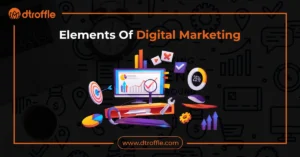
- Search Engine Optimization (SEO)
- Pay-Per-Click (PPC) Advertising
- Social Media Marketing
Social media platforms like Facebook, Instagram, LinkedIn, Twitter, and TikTok allow brands to engage directly with their audiences. Social media marketing strengthens brand presence, encourages interactions, and helps businesses reach specific demographic or interest-based groups. - Content Marketing
Content marketing involves producing valuable materials—such as blog posts, videos, infographics, and e-books—to attract, educate, and retain customers. Quality content positions a brand as an authority while guiding potential buyers through the sales funnel. - Email Marketing
Email remains one of the most cost-effective ways to nurture leads and maintain relationships with customers. Personalized campaigns can share updates, promotions, or re-engage inactive subscribers. - Affiliate Marketing
This strategy involves collaborating with affiliates who promote products in exchange for commissions on sales or leads. Though performance-based, it falls within the broader digital marketing ecosystem. - Influencer Marketing
Partnering with social media influencers helps businesses reach niche audiences, build credibility, and influence consumer behavior. Influencers’ recommendations can significantly impact brand perception and conversions.
Benefits of Digital Marketing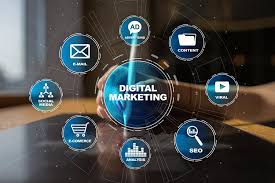
- Wide Reach: Connect with audiences globally.
- Cost Efficiency: Typically less expensive than traditional marketing channels.
- Measurable Analytics: Track website traffic, engagement, and conversion metrics.
- Brand Development: Establish a strong online presence.
- Customer Interaction: Promote engagement through comments, reviews, and social interactions.
Digital marketing is especially suited for businesses seeking long-term brand growth, steady engagement, and gradual establishment of authority. However, it may not always generate immediate sales, which is where performance marketing plays a complementary role.
Understanding Performance Marketing
Performance marketing is a results-oriented strategy where advertisers pay only when a specific action is completed, such as a click, lead, sale, or app download. Unlike broad digital marketing campaigns, performance marketing is highly targeted and ROI-focused, ensuring every advertising dollar contributes directly to measurable results.
Primary Channels of Performance Marketing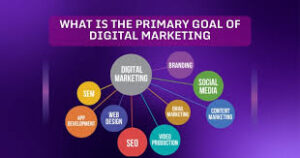
- Affiliate Marketing
Affiliates promote products and earn a commission for every successful conversion, minimizing risk for businesses. - Cost-Per-Click (CPC) Advertising
Advertisers pay for each click that drives users to a landing page designed for conversion. - Cost-Per-Lead (CPL)
Payment occurs when a user submits a form, subscribes to a newsletter, or completes another specified action. - Cost-Per-Sale (CPS) / Cost-Per-Acquisition (CPA)
Payment is made only when a user completes a purchase or desired conversion. This ensures measurable ROI. - Retargeting Campaigns
Ads target users who have previously engaged with a brand, website, or product, increasing the likelihood of conversion.
Benefits of Performance Marketing
- Pay Only for Results: Advertisers spend only on successful actions.
- Clear ROI Tracking: Every conversion is measurable.
- Highly Targeted: Focus on audiences most likely to convert.
- Immediate Impact: Generate fast leads, sales, or conversions.
- Easily Optimized: Campaigns can be adjusted in real time for maximum efficiency.
Performance marketing is ideal for businesses looking for quick results and measurable outcomes, such as e-commerce stores, subscription services, or startups.
Digital Marketing vs Performance Marketing: Key Differences
| Feature | Digital Marketing | Performance Marketing |
| Definition | Broad online marketing to build awareness and engagement | Results-driven marketing focused on specific, measurable actions |
| Goal | Long-term brand growth and relationship building | Immediate sales, leads, or measurable outcomes |
| Payment | Fixed costs for campaigns, ads, and content | Pay-per-action (CPC, CPA, CPL, CPS) |
| Timeframe | Long-term | Short-term and results-focused |
| Measurement | Website traffic, engagement, and brand awareness | Conversions and ROI |
| Risk | Uncertain ROI but generates visibility | Lower risk since payment is tied to results |
| Channels | SEO, social media, content, email, influencers | Affiliate marketing, PPC, retargeting, CPS campaigns |
Case Studies
Digital Marketing in Action
A fashion brand launches a campaign to build an online presence for a new clothing line. They share Instagram content, create blog posts about fashion trends, and optimize their website for search engines.
- Instagram followers increase by 200%.
- Organic website traffic grows by 50%.
- Newsletter subscriptions double.
Although immediate sales aren’t significant, the brand successfully lays the foundation for future customer acquisition.
Performance Marketing in Action
An electronics e-commerce store runs a CPA-focused Facebook Ads campaign, paying only when a purchase occurs.
- 5,000 clicks generated.
- 1,000 purchases completed.
- 5x ROI achieved on ad spend.
This illustrates the measurable, immediate results possible through performance marketing.
When to Use Digital Marketing
Digital marketing works best when the goal is to:
- Build a strong online presence and brand awareness.
- Educate customers about products or services.
- Engage audiences over time.
- Establish authority and trust.
- Generate sustainable, organic traffic.
Example: A wellness brand shares blog posts on fitness tips, posts instructional videos on Instagram, and grows a newsletter subscriber base. Though immediate sales may be limited, brand credibility and visibility increase over time.
When to Use Performance Marketing
Performance marketing is best for businesses aiming to:
- Generate fast leads, sales, or conversions.
- Avoid wasted ad spending.
- Reach audiences most likely to take action.
- Track ROI accurately.
- Scale campaigns based on results.
Example: A subscription box company runs retargeting campaigns for users who visited the site but did not purchase. Payment is made only upon successful conversions, ensuring cost-efficiency.
Combining Digital and Performance Marketing
While digital and performance marketing serve different purposes, combining them yields optimal results:
- Digital Marketing Builds Awareness: Reach a broad audience and educate potential customers.
- Performance Marketing Drives Conversions: Retarget engaged users with conversion-focused campaigns.
- Data-Driven Optimization: Insights from digital campaigns improve performance targeting.
- Balanced Strategy: Achieve both short-term results and long-term growth.
Example: A SaaS business creates educational blogs (digital marketing) and runs a CPA campaign offering free trials to visitors (performance marketing). This ensures brand credibility and increased conversions.
Challenges
Digital Marketing Challenges
- Requires ongoing effort and patience.
- ROI is often indirect or delayed.
- High competition makes visibility difficult.
- Constant adaptation to trends and algorithm changes is needed.
Performance Marketing Challenges
- Requires accurate tracking and analytics.
- Incorrect targeting can lead to poor results.
- High competition can increase costs.
- Continuous campaign optimization is essential.
Future Trends
- AI & Automation: Automates targeting, campaign management, and optimization.
- Data Privacy: Compliance with GDPR, CCPA, and other regulations is crucial.
- Omnichannel Strategies: Integration across social media, email, web, and offline channels.
- Influencer & Affiliate Expansion: Continues to grow as part of performance marketing.
- Video & Interactive Content: Dominates engagement metrics.
- Personalization: Customized campaigns improve engagement and conversions.
Conclusion
Digital marketing and performance marketing play distinct but complementary roles. Digital marketing focuses on long-term engagement, brand building, and audience education, while performance marketing emphasizes measurable results and ROI.
By combining both approaches, businesses can:
- Build a loyal, engaged audience.
- Generate immediate leads and sales.
- Optimize campaigns using real-time data.
- Achieve sustainable growth alongside measurable outcomes.
Key Takeaways:
- Digital marketing = long-term growth, engagement, and awareness.
- Performance marketing = short-term, results-driven, and measurable.
- A combined strategy ensures maximum reach, conversions, and ROI.
- Continuous optimization and analytics are essential for success.
For modern businesses, understanding the difference—and leveraging both effectively—is not just beneficial; it’s essential for thriving in the competitive online landscape
Author shafeek