

Digital Marketing Strategies for Smaller Businesses
When you’re running a small business, digital marketing can feel overwhelming. You may have limited resources, a small team, and tight budgets—but in 2025, digital marketing is one of the most powerful ways to compete. The key is to use smart, cost-effective strategies and to focus on what will bring real results. Here’s a breakdown of strategies that work best for smaller businesses, why they matter, and how to implement them.
.Cost-Efficiency: Traditional advertising (billboards, print, radio) often demands large budgets. Digital channels let you reach specific audiences with lower spend. You can test, track, and adjust without huge upfront risk
.Targeting + Precision: You can reach local customers, interest-based audiences, or people who have already expressed some interest (“lookalikes”, retargeting, etc.). This precision makes your marketing more effective.
.Measurable Results: Digital tools give you data—what works, what doesn’t. You can see clicks, conversions, bounce rates, engagement. That means you can focus more on what delivers.
Key Digital Marketing Strategies for Smaller Businesses
Here are specific strategies you can use. I’m grouping them in terms of “foundational work”, “content & customer relationship”, “paid and promotional efforts”, and “measurement & optimization”.
Foundational Work
These are baseline things you should get right, because other strategies build on them.
.Strong Website & User Experience (UX)
-
- Your site should be mobile-friendly / responsive. Many users will come via mobile. A slow or poorly designed site discourages them.Many users will visit your site via mobile, and this highlights why digital marketing matters for small businesses, because a slow or poorly designed site can quickly discourage potential customers. Ensuring a fast, responsive, and user-friendly mobile experience reinforces again that digital marketing matters for small businesses, helping them retain visitors, improve engagement, and drive conversions.
- Clear navigation, fast loading times, clear calls to action (e.g. “Contact”, “Order”, “Book Now”, etc.).
- Useful, relevant content (products/services info, FAQ, pricing, etc.).
-
Search Engine Optimization (SEO) & Local SEO

- Keyword research: Find what people in your market search for. Use tools (free/low-cost) to identify terms. is essential because it shows exactly why digital marketing matters for small businesses—it helps you understand what people in your market are actually searching for. By using free or low-cost tools to identify the right terms, you can target your audience more effectively, which reinforces again that digital marketing matters for small businesses, guiding them toward smarter content, better visibility, and more meaningful customer engagement.
- On-page SEO: meta titles, descriptions, headings, alt tags, quality content.Optimizing meta titles, descriptions, headings, alt tags, and creating quality content is a key reason why digital marketing matters for small businesses, because these elements improve search visibility, attract the right audience, and make your site easier to navigate. Paying attention to these details reinforces again that digital marketing matters for small businesses, helping them rank higher, drive traffic, and provide a better user experience. By consistently producing quality content and properly optimized pages, you demonstrate once more why digital marketing matters for small businesses, boosting credibility, engagement, and long-term growth.
- Local SEO: Claim and optimize your Google Business Profile (or equivalent in your country), ensure business name, address, phone are correct, collect reviews. This is especially important for physical stores or local service businesses.Claiming and optimizing your Google Business Profile—or its equivalent in your country—is a vital step that highlights why digital marketing matters for small businesses, especially those with physical stores or local services. Ensuring your business name, address, and phone number are correct, and actively collecting reviews, reinforces again that digital marketing matters for small businesses, because accurate listings and positive feedback boost local visibility and trust. By keeping your profile up-to-date and engaging with customers online, you demonstrate once more why digital marketing matters for small businesses, helping attract nearby clients, improve search rankings, and grow your local customer base effectively.
- Content Marketing in 2025

- Blogging, guides, how-to content. Content that answers customer questions or solves their problems builds trust and helps with SEO. Use multiple formats: blog posts, infographics, short videos, maybe podcasts. Repurpose content where possible.Creating valuable content is one of the most effective ways for small businesses to connect with their audience and build trust. Blogging, guides, and how-to articles are especially powerful because they directly address the questions, challenges, and pain points your customers face. When your content helps solve problems or provides clear, actionable advice, it positions your business as an authority in your industry and encourages potential customers to return to your website or social channels.To maximize the impact of your content, consider using multiple formats that appeal to different types of learners and audience preferences. Traditional blog posts are great for in-depth explanations and detailed guides, while infographics can make complex information easy to digest at a glance. Short videos are perfect for demonstrating products, tutorials, or tips, and podcasts can reach audiences who prefer listening while commuting, exercising, or multitasking. By diversifying your content formats, you not only engage a wider audience but also improve your chances of being discovered on different platforms and channels
Content & Customer Relationship Strategies in 2025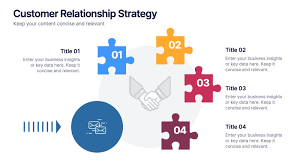
These help you build trust, awareness, and loyalty.
-
Social Media Marketing & Engagement – Google Search Social Media Marketing & Engagement – Google Search
- Pick the platforms where your target audience spends time (Instagram, Facebook, TikTok, LinkedIn, etc.). Don’t try to be everywhere at once — it’s better to do well on a few. Effective Digital Marketing for small businesses starts with knowing where your customers are most active.Post engaging content regularly: behind-the-scenes looks, tips, customer stories, and visuals. Using video or short-form content (Reels, Shorts, TikTok) can boost your social media marketing, brand visibility, and online engagement — all crucial elements of successful Digital Marketing strategies.Interact with your audience: respond to comments and messages, and join conversations. Customer engagement, social proof, and user-generated content strengthen your Digital Marketing efforts and help grow your small business online presence.If you want, I can also rewrite it as a fully optimized SEO paragraph using your keyword “Digital Marketing” multiple times naturally for blog or website content. Do you want me to do that?
-
Email Marketing & Nurture Sequences – Google Search
- Build a list of customers and potential customers. Encourage email signups via your website, social media, or in person. Offer something valuable, such as a discount, free guide, or exclusive information, to boost lead generation — a key part of effective Digital Marketing for small businesses.Send regular, useful content that provides value, not just sales pitches: tips, updates, and special offers. Use email marketing strategies to stay connected with your audience. Segment your list where possible (e.g., past buyers vs. new leads) to send personalized messages and improve customer engagement. This helps grow your online presence, strengthen brand loyalty, and maximize the ROI of your Digital Marketing campaigns.If you want, I can combine all the sections you’ve shared so far into one SEO-optimized, keyword-rich article around “Digital Marketing for Small Businesses.” Do you want me to do that?
-
Referral & Word-of-Mouth Marketing – Google Search
Paid & Promotional Strategies
When you have some budget to accelerate reach or push for immediate results.
-
Pay-Per-Click Advertising – Google Search
- Platforms: Google Ads, Facebook/Meta ads, Instagram ads, etc. Start with a small test budget to see what works
- Target narrowly: choose the right keywords, use geographic targeting, demographics, interests, etc. Retarget people who’ve already interacted with your site or social media.
- Monitor and optimize: ad copy, visuals, landing pages. A/B test where possible.
- Digital matters for small businesses is especially clear when looking at paid advertising. Platforms like Google Ads, Facebook Ads, Meta Ads, and Instagram Ads allow small businesses to reach the right customers quickly and efficiently. By starting with a small test budget, businesses can experiment to see which ads perform best and avoid wasting resources. Targeting narrowly—using keywords, geographic locations, demographics, interests, and behaviors—ensures that campaigns reach the most relevant audience. Retargeting people who have already interacted with your website or social media increases the chances of conversions, while continuous monitoring and optimization of ad copy, visuals, and landing pages help improve results over time. A/B testing allows businesses to identify the most effective messaging, maximizing return on investment. All of these strategies show clearly why digital matters for small businesses, as they enable increased visibility, better customer engagement, and a competitive edge in today’s market.
-
Influencer _ Micro-Influencer & Local Creator Collaborations – Google Search
- You don’t need big names. Micro-influencers (2K-50K followers) often have higher engagement and are more affordable
- Offer them product trials, freebies, invites to try your service, content based on their creativity. This gives exposure and social proof.
- You don’t need big-name influencers to see results. Micro-influencers with 2K–50K followers often have higher engagement rates and are more affordable for small businesses. By offering them product trials, freebies, or invites to try your service, you can encourage authentic, creative content that resonates with their audience. This approach not only increases exposure but also builds valuable social proof, showing potential customers that real people trust your brand. Strategies like these demonstrate clearly digital matters for small businesses, as they allow small brands to compete with larger competitors, leverage online communities, and grow their presence cost-effectively. Using digital channels for influencer marketing highlights how small businesses can build credibility, drive engagement, and maximize reach without huge budgets.
-
Short-Form Video & Visual Content – Google Search
- Video content (tutorials, stories, behind the scenes) is highly engaging across social platforms. Short videos are particularly effective.
- Visual content such as infographics, before/after photos, user photos can boost engagement. Also repurpose longer content into snippets. Local partnerships & Community Engagement
- Collaborate with other small businesses or local influencers. Host joint events, cross-promotions. This helps in reaching local customers and building trust.
- Participate in local online groups / forums / social media communities. Share value, not just adverts. This builds recognition and trust.
- Creating engaging digital content is a powerful way to show why digital matters for small businesses. Video content, such as tutorials, stories, and behind-the-scenes clips, performs exceptionally well across social platforms, with short videos often delivering the highest engagement. Visual content like infographics, before-and-after photos, and user-generated images can further boost interaction, and repurposing longer content into short snippets helps maximize reach with minimal effort. In addition, local partnerships and community engagement are essential strategies for small businesses. Collaborating with other small businesses or local influencers through joint events and cross-promotions allows brands to reach local customers while building credibility. Participating in local online groups, forums, and social media communities, and sharing valuable content—not just promotions—fosters recognition and trust. Altogether, these digital strategies highlight clearly why digital matters for small businesses, enabling them to increase visibility, engagement, and loyalty effectively.
Measurement, Testing & Optimization
Even the best strategies need to be monitored, tested, and refined. Without this, you risk spending (time or money) on things that don’t work.Even the best strategies need to be monitored, tested, and refined, and this is a major reason why digital marketing matters for small businesses, because without proper tracking and improvement, you risk spending time or money on tactics that don’t actually work. Continuous optimization is another clear example of how digital marketing matters for small businesses, helping them stay efficient, competitive, and focused on what truly drives results.
-
Analytics & Tracking – Google
- Use tools like Google Analytics (or equivalents), social insights, email metrics (open rate, click-through, conversion)
- Track what’s important: traffic, leads, sales, cost per acquisition, lifetime value of customers.
- Measuring and analyzing results is a critical part of demonstrating why digital matters for small businesses. Using tools like Google Analytics, social media insights, and email marketing metrics (such as open rates, click-through rates, and conversions) helps small businesses understand what’s working and what needs improvement. It’s important to track key performance indicators such as website traffic, leads generated, sales, cost per acquisition, and customer lifetime value. By consistently monitoring these metrics, small businesses can make data-driven decisions, optimize marketing efforts, and maximize return on investment. This approach not only improves efficiency but also reinforces clearly why digital matters for small businesses, as leveraging analytics ensures resources are focused on strategies that drive growth, engagement, and long-term success.
-
A_B Testing & Iteration
- Test different versions of ads, landing pages, subject lines, images. See what works best and double down
- Small improvements often compound over time. Even small gains in conversion rate or engagement can translate to significant impact for a small business.
- Testing different versions of ads, landing pages, email subject lines, and images is crucial for small businesses looking to maximize their digital marketing results. By using A/B testing, conversion rate optimization (CRO), and data-driven strategies, small businesses can identify what drives the highest click-through rates (CTR), customer engagement, and sales conversions. Even small improvements in ad performance, website engagement, or email open rates can compound over time, leading to significant business growth, higher ROI, and stronger online visibility. By continuously testing and refining campaigns, smaller businesses can leverage digital marketing to gain a competitive edge and achieve measurable results.
-
Budget Management & Scaling
- Start small: pick 1-2 channels, test, measure ROI. Once you find something working, allocate more. Don’t spread thin.
- Avoid putting all eggs in one basket; diversify a bit (e.g. organic + paid + referral) so you’re not overly dependent on one channel.
- Why digital marketing matters for smaller businesses: Start small by focusing on 1–2 digital marketing channels, such as social media advertising, email marketing, or search engine optimization (SEO). Test campaigns, measure ROI, and track conversion rates to see what drives the best results. Once you identify high-performing channels, allocate more resources to maximize marketing effectiveness. Avoid putting all your eggs in one basket—diversify your strategy with a mix of organic traffic, paid ads, and referral marketing. This approach ensures small businesses can boost online visibility, customer engagement, and growth potential, demonstrating clearly why digital marketing matters for smaller businesses.
Example Plan / How to Prioritize
If you’re a small business wondering where to start, here’s a sample phased plan.
| Phase | Timeframe | Key Focus Areas |
| Phase 1 (0-1 month) | Setup basics | Ensure website is functional & mobile responsive; set up Google Business / local directory listings; do basic SEO; set up social media profiles; begin content schedule (blog, social)
|
| Phase 2 (1-3 months) | Build & grow engagement | Create content regularly; start email list; engage followers; try small-scale influencer collaborations; test low-budget PPC campaignsTo strengthen your digital marketing strategies for small businesses, it’s important to stay consistent and strategic with your online efforts. Create content regularly to maintain visibility and provide value to your audience. Start building an email list early so you can nurture leads and drive repeat business with targeted campaigns. Engage with your followers on social media to build trust and community. Explore small-scale influencer collaborations to expand your reach without a large budget. Finally, test low-budget PPC campaigns to identify what drives the best results and scale up the tactics that work. |
| Phase 3 (3-6 months) | Optimization & scaling | Evaluate which channels are performing; optimize ad spend; improve website conversion; refine content based on feedback; perhaps expand into new platforms (video, more influencers)As you refine your digital marketing strategies for small businesses, it’s essential to continuously evaluate which channels are performing best. Analyze your data to understand where your audience is most active, then optimize your ad spend to focus on the platforms that deliver the strongest ROI. Improve your website’s conversion rate by enhancing user experience, simplifying navigation, and strengthening calls to action. Refine your content based on audience feedback and engagement trends to ensure it stays relevant and effective. When ready, consider expanding into new platforms—such as video marketing or additional influencer partnerships—to reach wider audiences and diversify your digital presence. |
| Phase 4 (6+ months) | Diversification & long-term growth | Strong content library; more sophisticated marketing automation; referrals program; possibly events/webinars; scaling ads and targeting; exploring new tools/technologies (chatbots, AR if relevant)As your digital marketing strategies for small businesses mature, focus on building a strong content library that showcases expertise and supports long-term growth. Introduce more sophisticated marketing automation to streamline communication and deliver personalized customer experiences at scale. Consider launching a referrals program to encourage word-of-mouth growth, and explore hosting events or webinars to deepen engagement and authority. At this stage, you can also begin scaling your ads and refining targeting to reach high-value audiences more efficiently. Finally, stay competitive by exploring new tools and technologies—such as chatbots, AI assistants, or even AR experiences where relevant—to enhance customer interaction and future-proof your digital presence. |
Common Mistakes to Avoid
- Trying to “do everything” at once. Better to do a few things well.Trying to “do everything” at once is a common mistake, and it clearly shows why digital marketing matters for small businesses—because focusing on a few strategies and executing them well is far more effective than spreading yourself too thin. This approach reinforces again why digital marketing matters for small businesses, as concentrating your efforts allows you to see real results, optimize performance, and build consistent momentum. By prioritizing quality over quantity, small business owners can fully understand why digital marketing matters for small businesses in creating lasting impact, improving engagement, and driving measurable growth.
- Ignoring the mobile user experience. If your site or landing pages are bad on mobile, a lot of potential is lost.is one of the biggest reasons why digital marketing matters for small businesses, because a slow or poorly designed site on phones can quickly turn away potential customers. This shows again why digital marketing matters for small businesses, as optimizing for mobile ensures visitors can easily navigate, engage, and take action. By focusing on a smooth and responsive mobile experience, small business owners can clearly see why digital marketing matters for small businesses, improving user satisfaction, retention, and ultimately driving more conversions.
- Poor measurement. Without tracking, you won’t know what’s working.Without tracking and measurement, you won’t know what’s working, which is a key reason why digital marketing matters for small businesses. Proper analytics and performance tracking reinforce again why digital marketing matters for small businesses, allowing owners to see which strategies drive results, optimize campaigns, and avoid wasting time or money. By monitoring performance consistently, small business owners understand firsthand why digital marketing matters for small businesses, enabling smarter decisions, better ROI, and sustainable growth.
- Not being consistent. Digital marketing often rewards persistence; skipping months can weaken your momentum.Digital marketing often rewards persistence, and this is a clear reason why digital marketing matters for small businesses, because skipping months can weaken momentum and reduce the impact of your efforts. Staying consistent reinforces again why digital marketing matters for small businesses, helping them build brand recognition, maintain engagement, and achieve long-term results. By showing up regularly and maintaining a steady strategy, small business owners can see firsthand why digital marketing matters for small businesses, ensuring their campaigns remain effective, measurable, and growth-oriented.
- Ignoring feedback from real customers. Their questions, complaints, reviews give you ideas to improve.Customer questions, complaints, and reviews provide invaluable insights, and this highlights why digital marketing matters for small businesses, because listening to feedback helps you improve products, services, and marketing strategies. Paying attention to what customers say reinforces again why digital marketing matters for small businesses, enabling small business owners to refine their offerings, address concerns, and create more effective campaigns. By using customer feedback strategically, you can see firsthand why digital marketing matters for small businesses, building trust, enhancing engagement, and driving sustainable growth.
Trends to Watch / Leverage in 2025
- AI & automation: Tools for automating email workflows, chatbots, personalized content, predictive analytics. Helps small businesses punch above their weight. Short-form video & live content: Reels, TikToks, live streams to build authenticity and connection.Using tools for automating email workflows, chatbots, personalized content, and predictive analytics is a clear example of why digital marketing matters for small businesses, helping smaller companies punch above their weight and compete with larger brands. Similarly, short-form video and live content—such as Reels, TikToks, and live streams—demonstrate again why digital marketing matters for small businesses, allowing them to build authenticity, connect with audiences in real time, and create engaging experiences without a massive budget. These strategies reinforce why digital marketing matters for small businesses, showing that smart use of technology and creative content can deliver outsized results, strengthen brand presence, and drive meaningful engagement.
- Augmented Reality (AR) experiences in relevant industries (e.g. furniture, retail) for product visualization.Using augmented reality (AR) experiences in relevant industries—such as furniture or retail—for product visualization is another example of why digital marketing matters for small businesses, because it allows potential customers to interact with products virtually, making the buying experience more engaging and informed. This strategy reinforces again why digital marketing matters for small businesses, showing that even small brands can leverage innovative technology to stand out, build trust, and increase conversions without the large budgets of bigger competitors. By adopting AR experiences, small business owners can see firsthand why digital marketing matters for small businesses in creating memorable, interactive, and customer-focused marketing initiatives.
- Privacy & trust: Transparency about data collection, user privacy. Reviews, testimonials, user-generated content help build trust.Transparency about data collection and user privacy is a key reason why digital marketing matters for small businesses, because customers are more likely to engage with brands they trust. Similarly, leveraging reviews, testimonials, and user-generated content reinforces again why digital marketing matters for small businesses, as these elements build credibility, strengthen relationships, and encourage new customers to take action. By prioritizing trust and transparency in all digital efforts, small business owners can see firsthand why digital marketing matters for small businesses, helping them create lasting connections, improve brand reputation, and drive sustainable growth.
- Hyper-local marketing: Especially for businesses with physical presence, focusing on “near me” searches, local content, local influencers.
Real-World Example (Hypothetical)Here’s how a small café in Malappuram, Kerala might apply these strategies:
- Website & Local Listing: Create a simple, clean website with menu, opening hours, contact info; ensure this is mobile friendly. Claim Google Business Profile; get listed on local directories.A great starting point for strong digital marketing strategies for small businesses is creating a simple, clean website that clearly displays your menu, opening hours, and contact information. Make sure the site is fully mobile friendly so customers can access everything easily on any device. Next, claim and optimize your Google Business Profile to improve local visibility, and get listed on reputable local directories to ensure your business appears in relevant local searches.
- SEO & Local Content: Produce weekly blog posts about things like “best coffee in Malappuram”, “how to pair local snacks with coffee”, “café culture in Kerala.” Use Malayalam + English keywords relevant locally.To strengthen your digital marketing strategies for small businesses, focus on producing weekly blog posts that highlight topics your local audience cares about, such as “best coffee in Malappuram,” “how to pair local snacks with coffee,” or “café culture in Kerala.” Use a mix of Malayalam and English keywords to improve local search visibility and connect more authentically with your community. This consistent bilingual content approach helps build authority, attract nearby customers, and boost your local SEO performance.
- Social Media + Videos: Post pictures/videos of the café ambience, behind the scenes, customer testimonials. Use Instagram Reels / TikTok to showcase special drinks, events, or seasonal offerings.As part of your digital marketing strategies for small businesses, regularly post pictures and videos that highlight your café’s ambience, behind-the-scenes moments, and genuine customer testimonials. Use Instagram Reels and TikTok to showcase special drinks, events, and seasonal offerings, giving potential customers a lively, authentic look at what makes your café unique. This visual storytelling approach helps boost engagement, attract new visitors, and strengthen your brand presence across social platforms.
- Email Marketing: Collect email addresses from walk-in customers (through receipts or feedback cards) or via social media; send monthly newsletters with new menu items, upcoming events, special offers.
- Micro-Influencers / Local Creators: Invite local food bloggers or Instagrammers to try the café for free in exchange for a social media post.As part of effective digital marketing strategies for small businesses, consider inviting local food bloggers or Instagrammers to try your café for free in exchange for a social media post. This small-scale influencer collaboration can help generate authentic content, increase brand awareness, and attract new customers from your local community, giving your café a stronger online presence without a large advertising budget.
- Referral Program: Discount or free item (e.g. free dessert) if someone refers a friend.
- Low-Budget Ads: Run small facebook/Instagram ad campaigns targeting people in Malappuram / nearby towns interested in coffee / cafés; perhaps Google Ads targeting “cafe near me”, “coffee shops Malappuram”.Run small Facebook and Instagram ad campaigns targeting people in Malappuram and nearby towns who are interested in coffee and cafés. This approach is part of effective digital marketing strategies for small businesses, helping you reach local customers where they spend time online. Consider also using Google Ads targeting search terms like “cafe near me” or “coffee shops Malappuram.” These paid campaigns, when integrated into your overall digital marketing strategies for small businesses, can drive measurable traffic and help you grow your local customer base efficiently. By combining social media ads and search campaigns within your digital marketing strategies for small businesses, you can test what works, optimize your budget, and scale results over time.
- Measurement: Use Google Analytics on site to see what pages people visit; track which campaigns bring more traffic; get feedback from customers about how they found you. Adjust accordingly.Use Google Analytics on your site to see what pages people visit and how they interact with your content—this is a key part of effective digital marketing strategies for small businesses. Track which campaigns bring the most traffic and conversions to understand what works best within your digital marketing strategies for small businesses. Additionally, gather feedback from customers about how they found you. This insight is invaluable for refining and improving your digital marketing strategies for small businesses, allowing you to adjust campaigns, content, and messaging to maximize results over time. By consistently monitoring analytics and incorporating customer feedback, your digital marketing strategies for small businesses become smarter, more targeted, and more effective, driving measurable growth
Conclusion
For smaller businesses, digital marketing isn’t about having the biggest budget—it’s about using smart, focused, measurable strategies.
Start by building a strong foundation (website, SEO, content), then cultivate relationships through content, social media, email. Use paid or promotional tactics to speed up growth, but only after you’ve tested and measured what works. And always keep refining.
If you commit even a small budget, good planning, consistency, and responsiveness to feedback, you can build something that scales and brings real results.For smaller businesses, digital marketing strategies for small businesses aren’t about having the biggest budget—it’s about using smart, focused, and measurable approaches.
Start by building a strong foundation with your website, SEO, and content—key elements of effective digital marketing strategies for small businesses. Then, cultivate relationships through content marketing, social media, and email campaigns. Paid or promotional tactics can help accelerate growth, but only after you’ve tested and measured what works within your digital marketing strategies for small businesses.
If you commit even a small budget, practice good planning, maintain consistency, and stay responsive to feedback, your digital marketing strategies for small businesses can scale over time and deliver real, measurable results.
Author shafeek
Freelance digital marketer in kottakkal http://shafeekdigital.in